

When to Worry About White Grubs in Your Lawn
Do you live in St. Louis and worry about keeping your lawn healthy all year? One problem many Missouri homeowners face is white grubs. The first step in controlling lawn grubs is learning about the grub worm life cycle, and knowing when to worry about these pests can save your lawn from serious damage. Keeping an eye out for signs of grub damage and knowing the best times for preventative treatments can help you maintain a beautiful, healthy lawn in St. Louis.
What Are Grub Worms?
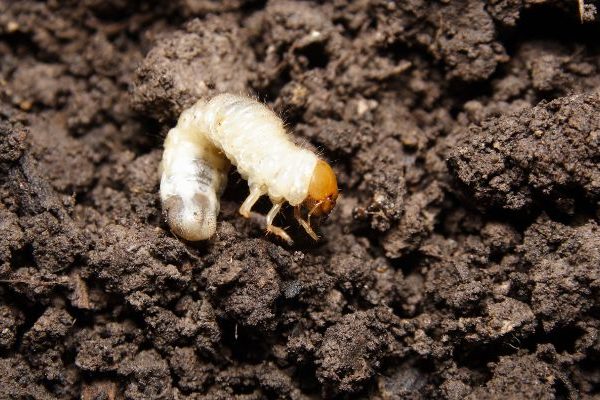
Grub worms are the larvae of various beetles, including Japanese beetles, June beetles, and chafers. These pests are common in St. Louis and can cause significant damage to your lawn. Grubs are C-shaped, have a brown head, and are usually white or creamy in color. They live in the soil and feed on grassroots at certain times of the year.
The Life Cycle of Grub Worms
Most grub worms have a one-year life cycle but some grub species can be as long as three years. Adult beetles, such as Japanese beetles, lay eggs in the soil during early summer. These eggs hatch into larvae, or grubs, in late summer. The grubs feed on grass roots, causing damage to your lawn. As temperatures drop, the grubs move deeper into the soil to overwinter. In spring, they return to the root zone to feed before pupating into adult beetles. Then the grub worm life cycle starts all over again! By understanding the life cycle of grub worms and taking action when necessary, you can prevent these pests from causing significant damage to your turfgrass.
The Best Time for Preventative Grub Control in St. Louis
The best time for preventative grub control in St. Louis is early summer, around June and July. Applying a grub control treatment to your lawn during this time can help prevent eggs from hatching and larvae from feeding on the root systems. It’s crucial to apply these preventative treatments before you see grub damage.
How to Get Rid of White Grubs in Your Lawn
If you already have a grub infestation, curative treatments like trichlorfon can be used in late summer and early fall. Timing is important when applying grub control because the product will be more effective when grubs are close to the soil surface. Loyalty Lawn Care in St. Louis offers preventative and curative grub control to protect your lawn all year. Keeping your lawn healthy with proper lawn care can also help with grub problems. Aerating your lawn and removing thatch can make your lawn less attractive to beetles looking to lay eggs. Regular watering and mowing can also reduce the risk of grub damage and other common lawn problems Missouri homeowners face.
What Does Grub Damage Look Like?
Grub damage typically appears around early August as dead patches of grass or a spongy feel when walking on the lawn. Since grubs feed on root systems, the affected grass can easily be pulled up like carpet, revealing the C-shaped larvae underneath. You may also notice increased activity from animals like skunks and raccoons digging in your lawn, as they search for grubs to eat.
Professional Lawn Pest Control Near St. Louis
For severe grub infestations, it may be best to seek professional help. Lawn pest control services near St. Louis can provide expert grub treatment and ongoing lawn care to keep your lawn healthy. That’s where our team at Loyalty Lawn Care can help! We have access to specialized insecticides to prevent and treat active grub populations. Our lawn care specialists are trained to apply them safely and effectively. In addition to grub control, we offer lawn care services like weed control and fertilization, lawn aeration and overseeding, tree and shrub care, and more. Contact us today to get a free quote!