

Pre-Emergent vs. Post-Emergent: Which Type of Weed Control Do You Need?
You need a weed control plan that works for your lawn’s unique makeup and addresses the specific weeds that crop up there. There are two primary types of weed control: pre-emergent and post-emergent. Both are highly effective when used correctly, and both can contribute to keeping your lawn weed-free. But which do you need to use? And when? We’ll give you a run-down of pre-emergent vs. post-emergent weed herbicides, along with handy tips on how and when to use them for maximum impact.
What is Pre-Emergent Weed Control?
Pre-emergent weed control comes in liquid or granular forms and is placed down before seeds have begun germination.
Goal: Stop weeds before they start to grow and provide a barrier so they never break through the soil.
Timing: It depends on the weather in your region, but generally speaking, in St. Louis and surrounding areas, late winter or early spring is the best time to put down a pre-emergent herbicide. This is because it can penetrate the soil before seeds have begun to germinate and prevent them from sprouting. If you are further south and in a warmer zone, you might be better off with a late fall application. You may require several treatments with a pre-emergent, depending on the type of lawn you have.
What is Post-Emergent Weed Control?
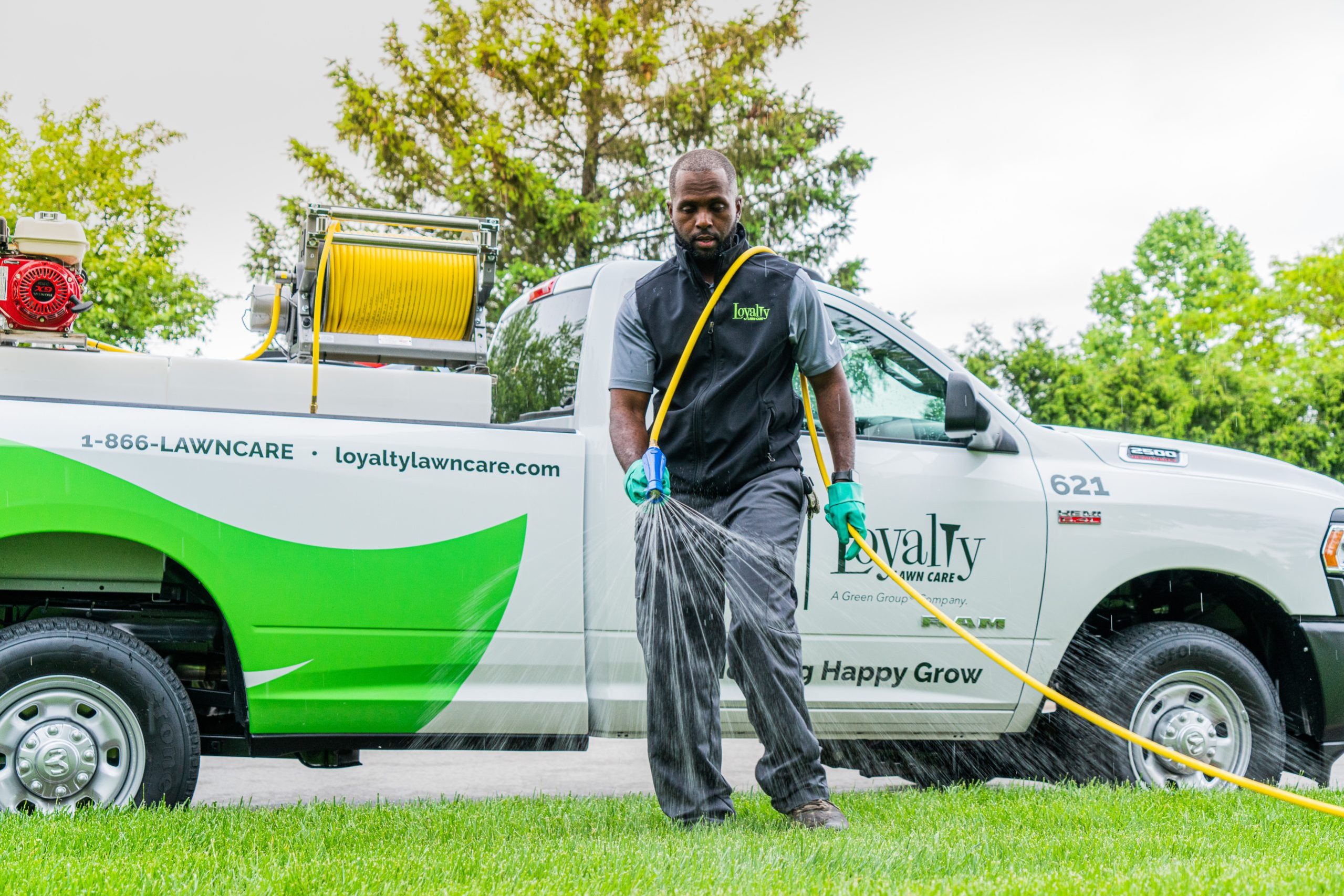
Post-emergent weed killers are applied after weeds have germinated and emerged from the soil. They seep into the stalks of already-sprouted weeds and then get down to business.
Goal: Soak into existing weeds and attack them at the roots.
Timing: You don’t want to start applying a post-emergent herbicide until the weeds have already broken the soil and become established. Typically, this will happen late spring to early summer and will trigger the first application. A second application is often required in late summer or early fall when the second wave of weeds begin to emerge.
Choosing the Best Weed Control Method for Your Lawn
So, which weed control method do you need? It all depends on timing and the type of weeds you find in your lawn. Pre-emergent is a standard treatment for crabgrass, but may be less effective on other weeds. It also depends on where the weeds are in their life cycle when you decide to attack. If you can already see weeds sprouting in your lawn, it’s too late for pre-emergent. You’ll need to choose a post-emergent, then wait until the next season to be proactive.
Here’s a quick glance at the differences between pre- and post-emergents:
| Pre-Emergent vs. Post-Emergent | |
| Proactive approach | Reactive approach |
| Must be applied before weeds germinate | Must be applied after weeds sprout |
| Usually applied in late winter/early spring | Usually applied late spring/early summer and again in fall |
| Better for crabgrass and similar types of weeds | Better for dandelions and similar types of weeds |
| Requires watering/rain to be most effective | Will not be effective on weeds that have already gone to seed |
Depending on what type of lawn you have (maturity, size, grass types, etc.) you may need one or both types of weed control. A professional lawn service provider can help you determine which will be most affecting in controlling the weeds in your lawn.
Common Weed Control Mistakes to Avoid
There are many aspects of weed control you can DIY, but you must be cautious to avoid some of the missteps below that can cause major issues that can seriously damage your lawn.
Mistake: Seeding and Applying Pre-Emergent at the Same Time
You may think it makes sense to seed your lawn in the spring and put down a pre-emergent at the same time. Two birds with one stone, right? Not so. Spring seeding and weeding (via pre-emergent) should never go hand-in-hand. This is because pre-emergent is so effective that it will prohibit your grass seed from germinating along with your weeds. Pre-emergent is always best used on a more mature and established lawn.
Mistake: Relying on Weed Control Alone
Herbicides are highly effective, but if your lawn is already unhealthy, don’t expect it to work miracles. A healthy lawn will reap the most benefits from both pre-and post-emergents. That means implementing maintenance practices that will contribute to thick, healthy grass that crowds out the weeds. Keep grass tall and thick by adjusting your mowing schedule, fertilizing regularly, and aerating the soil as needed.
Mistake: Rushing the Process
Perhaps you want to treat for weeds in the spring and call it done for the year. Or maybe you’re so anxious to get going that you put down an herbicide a month or two too soon. When it comes to weed control, timing is everything. You need to understand which weeds are best controlled by pre-emergent or post-emergent, then understand the season that’s best suited for those treatments. Remember that with both pre- and post-emergent, you may need a secondary treatment or a biannual schedule.
Mistake: Trying to Do it All Yourself
We get it: you want to be smart about controlling the weeds in your lawn. There is so much knowledge and there are so many products available now, it’s tempting to handle it on your own. But effective weed management sometimes needs more than a simple herbicide. It can also require liquid or core aeration, pest control, and fertilization. It’s a big job, but when you find a professional team of lawn care specialists you can trust, you’ll see the proof right in your front yard.
How Loyalty Lawn Care Can Help
At Loyalty Lawn Care, we can be that trusted provider. Our lawn care services span everything you need — from aeration to fertilization to regular weed maintenance and more — to achieve the lawn of your dreams. Get in touch and get a free quote for a weed-free lawn today!