

9 Expert Tips for Watering New Grass Seed
Growing a new lawn takes patience, consistency, and a gentle touch. One of the most important steps in this process is watering new grass seeds just the right amount. If you give your new lawn too much water, it’ll drown; if you underwater it, your seeds will blow away in the wind. Seed germination doesn’t happen overnight but over the course of several weeks before they sprout. Meanwhile, the watering process will determine how healthy and beautiful your lawn is when it starts growing. Keep reading as our experts fill you in on the tips and tricks for giving your grass the perfect amount of water.
Tips & Best Practices for Watering New Grass Seed
Watering new grass seed is similar to creating music – If you want a beautiful product, a certain rhythm and process is required. Every step in the lawn preparation process builds on the last – Carefully following each tip below gives your new lawn the best chances of healthy, strong, lasting growth.
Pre-Watering the Lawn Before Planting New Grass Seed
Before you drop new seeds on your lawn, you’ll need to check to make sure your topsoil is moist and well-prepared. Proper pre-watering measures kick-start the germination process while creating an optimal environment for new roots to settle. How much water is needed during this step largely depends on your soil type (i.e., clay soil, sandy soil, etc). In general, you’ll want to dampen about an inch of soil, but not enough to create puddles. If you’re performing aeration before overseeding, which is highly recommended, moist soil will allow the machine to pull better plugs.
Initial Watering Right After Seeding
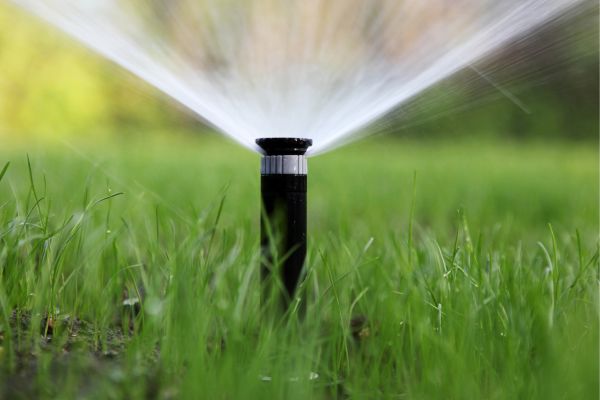
Once your new seeds are nestled into the lawn, they’ll be ready for their first sip of water. Give them a gentle spray with your lawn sprinkler or water hose, but not enough to drown or wash them away, which is common when overseeding.
Water Schedule for the First Two Weeks
The most consequential time for a newly seeded lawn is the first two weeks. During this time, be sure to:
- Conduct frequent waterings to keep the top 1-1.5 inches of soil moist. Don’t overdo it, though. Two to three times per day for 10-15 minutes should be enough.
- Be consistent in your watering schedule, and don’t take shortcuts, like excessive watering on one day so you can skip the next.
It’s important to remember that the goal here is to keep your seeds moist enough so they begin to germinate, but not waterlogged. If you’re a busy person, a lawn sprinkler system with timers can help to keep you on track.
Decrease Water Frequency After Germination
The moment you see young grass plants sprouting up, it’s time to adjust your watering schedule. Decrease watering frequency to once a day while increasing the amount of water you give them. This change in schedule and amount allows new grass seed to grow deeper roots during the early stages.
Adjust After Grass is Established
In roughly 6-8 weeks, your grass will be established and should provide full coverage across your lawn. At this time, it’s best to scale back even further on watering. Two to three times a week should be enough. Be sure to give enough water so that about an inch of moisture can soak through. This step is crucial in encouraging deep root growth, which is exactly what your lawn needs.
The Best Time of Day to Water is the Morning
The cool temperatures and lower rates of evaporation during the early morning helps keep your seeded area moist for longer. Also, watering at this time helps your lawn avoid certain fungi that are more prone to grow if you water later in the evening.
Monitor Moisture Levels
Soil moisture isn’t a metric that’s specific to the summertime. It’s also important to keep tabs on moisture levels during the winter. Fortunately, you don’t need fancy devices or special training to check. Simply stick your fingers in the soil and feel if it’s damp (i.e., not bone dry and not drowning). If you’re not known for having a green thumb, you can also use timers and moisture sensors to ensure your lawn isn’t dry or being overwatered.
Keep an Eye on the Local Weather
Rain is typically a great thing for a lawn. But too much rain can drown your seeds or even wash them away. During weeks of excessive rainfall, lighten up on your typical watering schedule. If it hasn’t rained in quite some time and your soil is dry, that’s a great time to give your lawn a bit more water.
Common Mistakes to Avoid When Watering New Grass Seed
Growing new seeds is an art and a science. By learning the best practices ahead of time, you increase your chances of birthing a new lawn, even if it’s your first time. Some of the most common mistakes made by homeowners include:
- Giving too much water to new seeds
- Not noticing dry soil that inhibits the seed germination process
- Forgetting to water bare spots on your lawn
- Watering seeds at the wrong time (early morning is best)
- Overseeding too late or too soon
Loyalty Lawn Care – We Can Help
It’s not always easy to keep up with a watering schedule in pursuit of a healthy lawn. If you’re looking for a reliable, local lawn care company that you can trust, Loyalty Lawn Care is here for you. We pride ourselves in making sure your St. Louis yard is beautiful. From aeration to comprehensive lawn care services in St. Louis, Loyalty Lawn Care has your back. Give us a call or contact us to schedule your free quote today.